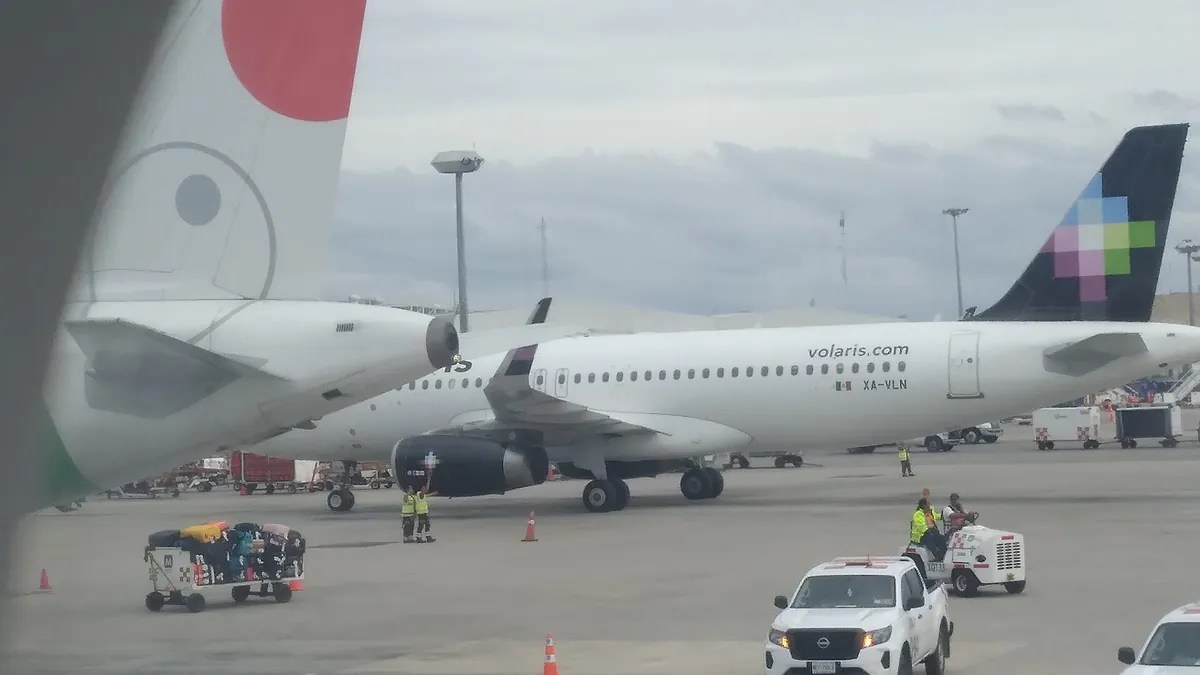
If you have flown into Cancún, you have almost certainly paid this fee without noticing. It is usually built into the price of an international ticket. That is why a change voted in Mexico City this month matters to anyone planning a trip to Playa del Carmen next year.
Here is what happened. The Chamber of Deputies passed the 2027 Federal Law of Duties with a higher DNR, the charge paid by foreign visitors who enter Mexico without permission to work, Expansión and Bloomberg Línea report. The original proposal would have raised it 35.8%. After pressure from the tourism industry and the opposition, lawmakers settled on 17.8%, or 175 pesos more than today.
The detail that matters is where the money goes. Mexico’s Tourism Secretary, Josefina Rodríguez Zamora, said the extra 175 pesos would go to the National Migration Institute to modernize entry and exit systems, Crónica reports. Hotel groups in the Mexican Caribbean have argued that none of it is earmarked for tourism promotion.
Perception vs. reality
A headline about a “tourist tax hike” can sound like a big new cost on a holiday. In practice the change is modest per person: 175 pesos is roughly US$9 at recent exchange rates (approximate). The fee itself is not new; it has existed for years and rose about 14% for 2026. What is real is the cumulative effect. From 2025 to 2027 it climbs from about 861 pesos to 1,158, and the region’s hoteliers worry about what that signals in a year when visitor numbers have already dipped.
What it means in the real world
A couple flying in from Canada for a week will see a slightly higher fare, usually without a separate line item. A family of five feels it more, since the fee is charged per person. A snowbird who spends the winter here pays it once per entry, so it matters less than the airfare itself. For hotel and tour businesses, the concern is less the amount than the direction: rising costs at the moment the region is trying to win back flights and visitors.
The numbers in context
The fee was 860.56 pesos in 2025 and 983 pesos in 2026, according to Expansión. The approved 2027 figure is 1,158 pesos. In dollar terms that is about US$62 (approximate, at around 18.7 pesos per dollar). The Chamber of Deputies vote on the full law was 329 in favor and 117 against, Bloomberg Línea reports. Hotel associations have also flagged a separate proposed increase in airspace fees, which airlines may pass on to passengers.
Fast facts
- The fee: Derecho de No Residente (DNR), paid by foreign visitors who enter Mexico without permission to work.
- 2026: 983 pesos.
- 2027 (approved by Deputies): 1,158 pesos, a 17.8% increase.
- Original proposal: 1,334.80 pesos, a 35.8% increase, which was cut back.
- Where the extra goes: the National Migration Institute, according to the Tourism Secretary.
- Status: approved by the Chamber of Deputies on October 13 and by Senate committees on October 21 (Expansión); final Senate vote and publication pending at the time of writing.
How you actually pay it
Most travelers never handle this fee directly. Airlines usually collect it in the ticket price for international flights into Mexico. Travelers who arrive by land may be asked to pay it separately, and some categories of visitor are exempt under the law. If you are unsure whether it is in your fare, look at the taxes and fees breakdown on your booking.
Where this actually is
Playa del Carmen’s visitors almost all arrive through Cancún International Airport, about an hour north by road (approximate), with a smaller share through Tulum’s airport. Quintana Roo receives a large share of Mexico’s international tourists, which is why business groups here have been among the loudest voices on this change, alongside those in Los Cabos and Puerto Vallarta.
What the headlines don’t have room for
National coverage has focused on the vote and the political argument over where the money goes, which is fair. What it rarely explains is the practical side: that most visitors pay it inside the fare, that the per-person increase is small, and that the real question for this region is whether rising costs and fewer flights together slow the recovery the state is counting on this winter.
How to think about your own decision
If you are planning a 2027 trip, do not let this change your plans; it is a small part of the total cost. If you are booking for a large family or group, factor it in per person. If you run a tourism business here, the more useful thing to watch is airline capacity into Cancún, which affects your bookings far more than the fee does. And if the Senate changes the figure before it is final, we will update this article.
Key terms
- DNR (Derecho de No Residente) — Mexico’s entry fee for foreign visitors without permission to work.
- Ley Federal de Derechos — the federal law that sets government fees each year.
- INM (Instituto Nacional de Migración) — Mexico’s immigration authority.
Frequently asked questions
1,158 pesos per person under the version approved by the Chamber of Deputies, up from 983 pesos in 2026. It is final only after the Senate vote and publication.
Usually not. Airlines generally include it in the price of international tickets into Mexico.
It is part of the 2027 fee law, so it would apply from 2027 once approved and published.
The government says the extra 175 pesos will fund the modernization of immigration systems.
Hotel and business groups in the Mexican Caribbean have opposed the increase and asked for part of the revenue to fund tourism promotion.
Sources & further reading
Sources: fee history, approved amount and Senate committee vote — Expansión, October 21, 2026; Chamber of Deputies vote — Bloomberg Línea, October 13, 2026; Tourism Secretary’s statement on where the money goes — Crónica; hotel sector position — Uno TV. Dollar conversions are approximate.
More on planning a stay in our Playa del Carmen lifestyle guide.