Every diver in Playa del Carmen has a story about the one that swam past. A turtle on a morning reef dive. A ray lifting off the sand. In winter, a bull shark out in the blue. Those moments usually end up as a photo on a phone and a story at dinner. A new app suggests they could be something more.
Here is what happened. MarAlliance, a nonprofit that works on sharks, rays, sea turtles and other large marine animals in the western Caribbean, has released a free app called MARAP for tracking marine wildlife in the Mexican Caribbean, according to Riviera Maya News & Events.
The detail that makes it matter is the word free. Monitoring wildlife along a coast this long is slow and expensive when it depends on research teams alone. Putting a tool in the hands of the public costs almost nothing and multiplies the number of eyes on the water many times over.
Perception vs. reality
Visitors often assume that reef and wildlife protection is something done by governments and scientists, somewhere out of sight. Around here, a great deal of it is done by the dive industry and the people who live by the sea. Dive shops run reef cleanups. Hotels fund coral restoration. Volunteers patrol turtle nesting beaches at night. An app that turns ordinary sightings into data is a natural next step in a place where conservation is already a community habit.
What it means in the real world
A visiting snorkeler might use it once, to log the turtle they saw in Akumal. A dive instructor who is in the water two or three times a day could become one of the most valuable sources in the region. A boat captain sees what passes on the surface between sites. A family could make a game of it with children on a beach holiday. None of these people is a scientist. Together, they can show researchers where animals are turning up, in which months and in what numbers.
Why sightings matter
We have not seen published figures for MARAP's users or records, since it has only just launched, and we will not estimate them. The principle is well proven elsewhere. Public sighting programs for birds, whales and sharks have produced datasets that no research budget could have paid for, and those datasets have guided decisions about protected areas and fishing rules. The Mexican Caribbean, with its heavy dive traffic, is well suited to the same approach.
Fast facts
- The news: MarAlliance has launched MARAP, a free app for tracking marine wildlife (Riviera Maya News & Events, October 2026).
- Coverage: the Mexican Caribbean.
- Cost: free.
- Who can help: divers, snorkelers, boat crews, fishers and beachgoers.
- Why it matters: more sightings give researchers a clearer picture of where marine animals are and when.
- Not confirmed at time of writing: the full list of species covered and the app's specific features; see the source report for download details.
Everyday life on the water
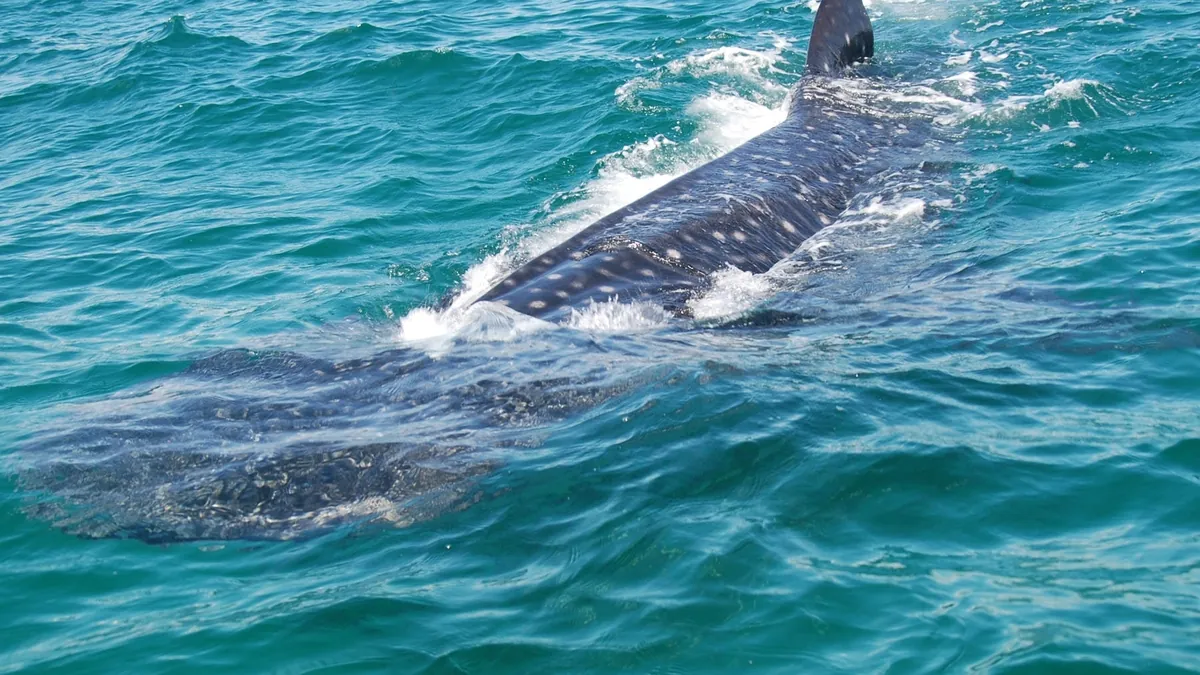
The sea off Playa del Carmen has a calendar. Bull sharks gather off the coast in the cooler months, roughly November to March. Sea turtles nest on local beaches from about May to October. Whale sharks feed in the waters north of Cancún in summer. Anyone who spends time in the water here learns that calendar without trying. An app like this captures what locals already know and adds the detail between the big events.
Where this actually is
The Mexican Caribbean is the coast of Quintana Roo, from Holbox and Isla Mujeres in the north, past Cancún, Playa del Carmen, Cozumel and Tulum, down to Mahahual and Xcalak near the Belize border. Offshore runs the Mesoamerican Reef, the second-longest barrier reef system in the world. It is one connected ecosystem, and animals move along it without regard for municipal lines.
What the headlines don't have room for
Reporting on the marine environment here tends to cover the pressures, such as warm water, coral disease and sargassum, and that reporting is accurate and important. What gets less space is the response. In the past few months alone, Playa del Carmen received Mexico's first designation for sustainable bull shark tourism and new reef structures were deployed along the coast, both of which we covered in August. MARAP belongs on that list.
How to think about your own decision
If you dive or snorkel here, download the app before your next trip out and log what you see. If you run a dive shop or a tour boat, consider making it part of the briefing; guests like knowing their trip contributes to something. If you are choosing an operator, ask whether they take part in monitoring or conservation programs. The good ones do, and they are glad to talk about it.
Key terms
- Citizen science — research in which members of the public collect data, usually by recording what they observe.
- Megafauna — large animals; in the sea, this means sharks, rays, turtles and large fish.
- Mesoamerican Reef — the barrier reef system running from the tip of the Yucatán Peninsula to Honduras.
Frequently asked questions
A free app launched by the conservation group MarAlliance for tracking marine wildlife in the Mexican Caribbean.
It is free, and it is intended to widen participation in wildlife monitoring. Check the source report and the app listing for details.
No. Sightings from snorkelers, boat passengers and people on the beach are useful too.
MarAlliance focuses on sharks, rays, sea turtles and large fish. The app's own species list will be the best guide.
See the source report linked below for download information.
Sources & further reading
Sources: the launch of MARAP — Riviera Maya News & Events. Seasonal wildlife patterns are approximate and vary from year to year.
More on life by the sea in our Playa del Carmen lifestyle guide.